Can You Reverse Sun Damage on Your Face After 40? Insights & Tips
Understanding Sun Damage: What Happens to Your Skin After 40?
Look, if you’re over 40 and live anywhere sunny—like California or Florida—you might notice your skin isn’t what it used to be. Sun exposure plays a huge role in this, affecting your skin's structure and appearance. As we age, our skin loses elasticity, making it more prone to wrinkles and sagging.
The sun emits UV rays that penetrate your skin, damaging collagen and elastin—those proteins that keep your skin firm and youthful. After 40, your skin's ability to recover from this damage diminishes. Studies indicate that cumulative sun exposure can lead to significant signs of aging, particularly in individuals with lighter skin types.
A relevant PubMed study shows that chronic sun exposure can accelerate the aging process, with visible effects like hyperpigmentation and fine lines becoming more apparent after 40. This means that if you've spent your life under the sun, especially in states like Arizona or Texas, those years of fun in the sun could be catching up to you.
So, what can you do? Start paying attention to your skin’s condition. Regular skin assessments can help you track changes. You might even want to take photos in natural light to document what you're seeing. This practice can be pretty revealing, especially if you're in a place like Nevada where the sun shines bright.
Understanding how sun damage affects your skin is the first step toward addressing it. Early awareness can lead to better choices and potential solutions.
Signs of Sun Damage: How to Identify Them
Have you ever looked in the mirror and noticed dark spots, fine lines, or uneven skin tone? Sound familiar? These are all signs of sun damage, common for those of us over 40. The tricky part is that these changes can sneak up on you, especially if you live in sunny states like Hawaii or New York.
Identifying sun damage can be straightforward if you know what to look for. Common signs include dark spots—also known as age spots or liver spots—and increased wrinkles. Your skin may also feel rough or thickened in areas that get a lot of sun exposure. This can all be traced back to years spent under the sun’s rays.
Research suggests that early detection can lead to better outcomes with treatments. A study found that documenting skin changes over time can help you notice patterns and areas needing attention. So, taking photos on a regular basis can help you assess your skin's health and progress.
To keep track of your skin’s changes, consider setting a reminder to check in with yourself monthly. You could even create a simple skincare journal. If you’re in states like Florida, where the sun is always shining, this practice becomes even more crucial.
Being proactive about identifying sun damage is key. The sooner you recognize it, the better equipped you are to address it.
The Role of Antioxidants in Repairing Sun-Damaged Skin
Here's the thing about antioxidants: they’re like the superheroes of skincare. If you’re dealing with sun damage—especially over 40—antioxidants can be your best friend. These compounds help neutralize free radicals caused by UV exposure, which can damage your skin cells.
Antioxidants can be found in various forms, from the foods you eat to the skincare products you use. Vitamins C and E are well-known examples, and studies indicate that these vitamins may support your skin’s recovery process. Foods rich in antioxidants include berries, nuts, and green leafy vegetables, all of which can be beneficial for your skin.
Research also suggests that topical antioxidants can improve the appearance of sun-damaged skin. A study found that products containing vitamin C can significantly reduce pigmentation and improve skin texture. This is great news for those of you who enjoy sunny days at the beach in places like California or Texas.
So, how can you incorporate more antioxidants into your routine? Start by adding colorful fruits and vegetables to your diet. Look for skincare products that highlight antioxidants, as they may enhance your skin's resilience against sun damage.
Making antioxidants a staple in your lifestyle can make a noticeable difference in your skin’s health. You’ve got options, and it’s time to put them to use!
Skincare Ingredients That Help Reverse Sun Damage
When it comes to skincare after 40, some ingredients really pack a punch. Retinol and niacinamide are two that have shown promising results in addressing the signs of sun damage. So what makes these ingredients so effective?
Retinol, a derivative of vitamin A, is known for its ability to boost collagen production and speed up cell turnover. Studies indicate that using retinol can significantly reduce the appearance of fine lines and age spots. Niacinamide, on the other hand, is great for improving skin texture and brightening your complexion. Research suggests it can help reduce hyperpigmentation and even out skin tone.
Interestingly, a clinical study found that a combination of retinol and niacinamide led to improved skin elasticity and overall radiance. This can be especially helpful for those of us who’ve spent years in sunny states like Arizona or Florida, where UV exposure can take a toll.
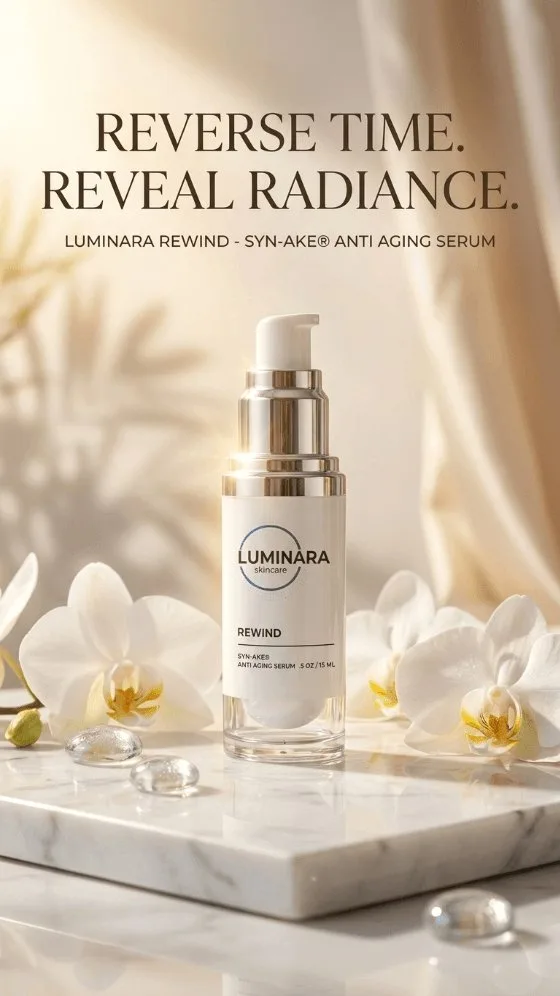
If you're considering incorporating these ingredients, look for products that contain them—like Luminara Rewind. But remember, start slow with retinol to allow your skin to adjust. Doing a patch test is also a good idea, especially if your skin is sensitive.
Integrating these key ingredients can help you on your journey to reduce the effects of sun damage. Your skin deserves it!
Sunscreen: The First Line of Defense Against Sun Damage
Let’s be real: sunscreen is non-negotiable, especially if you want to fight sun damage after 40. You might think that sun exposure is only a problem on beach days, but even a quick trip to the grocery store can expose your skin to harmful UV rays. It’s not just about avoiding sunburns; it’s about long-term skin health.
Research suggests that wearing broad-spectrum sunscreen daily can protect your skin from both UVA and UVB rays. These rays contribute to premature aging and skin cancer. Regular application can prevent further damage, which is crucial if you’ve already noticed signs of sun damage.
So, how do you choose the right sunscreen? Look for SPF 30 or higher and make sure it’s labeled “broad-spectrum.” Apply it at least 15 minutes before going outdoors and reapply every two hours—more often if you’re swimming or sweating. If you live in sunny places like Nevada or Hawaii, this is especially key.
Also, don’t forget to apply sunscreen to areas that are often overlooked, like your ears and the back of your hands. These spots are susceptible to sun damage too.
Making sunscreen a part of your daily routine can significantly improve your skin's long-term health. It's a small step that makes a huge impact.
Professional Treatments for Sun-Damaged Skin
If you’re serious about addressing sun damage and you’re over 40, professional treatments might be worth considering. These can include chemical peels, laser therapy, and microdermabrasion, each offering unique benefits for your skin.
Chemical peels use acids to exfoliate the skin’s surface, which can help reduce dark spots and fine lines. Studies indicate that this treatment can enhance skin texture and radiance. Laser therapy, on the other hand, targets deeper layers of skin to stimulate collagen production and improve elasticity.
A study found that patients who underwent laser treatment noticed significant improvements in skin texture and tone, especially those living in high-sun-exposure states like Florida or Texas. Microdermabrasion is another option, which gently sands away the outer layer of skin, revealing fresher skin underneath.
Before you dive into any treatment, consult with a qualified dermatologist who can help tailor a plan to your specific needs. They’ll assess your skin and recommend the best options based on the sun damage you've experienced.
Professional treatments can offer quicker results than topical applications, but they should complement your at-home skincare routine. Combining both can maximize your efforts in reducing sun damage.
Home Remedies: Do They Really Work for Sun Damage?
Home remedies—what’s the deal? Many people swear by natural treatments to combat sun damage, but do they really work? With so many options out there, it’s easy to get confused, especially if you’re trying to fix skin damage from years in the sun.
Some popular home remedies include aloe vera, coconut oil, and even green tea. Research indicates that aloe vera may support skin healing, while green tea contains antioxidants that may help reduce inflammation. However, evidence on their long-term effectiveness for serious sun damage is limited.
Interestingly, a study compared natural treatments to commercial products and found that while home remedies might provide some benefits, they often fall short compared to well-researched skincare formulations. If you’re in states like New York or Arizona, where sun exposure is high, relying solely on home remedies might not give you the results you want.
That said, using natural ingredients can be a gentle addition to your routine. Just remember that they shouldn’t replace professional skincare or proven products. Incorporating a mix can lead to positive changes over time.
So, while home remedies can be a fun part of your skincare journey, they shouldn’t be your only strategy against sun damage. Balance is key!
Lifestyle Changes to Support Skin Recovery
What you eat, how much you hydrate, and even your sleep quality can significantly affect your skin’s health post-40. If you’re dealing with sun damage, consider making some lifestyle changes to support recovery. It’s not just about what you put on your skin; it’s about what you put into your body.
Research suggests that a balanced diet rich in antioxidants, healthy fats, and vitamins can support skin health. Foods like salmon, berries, and nuts can help boost your skin’s resilience against damage. Staying hydrated is also crucial—drinking enough water can keep your skin plump and healthy.
Additionally, studies indicate that quality sleep plays a vital role in skin repair. When you sleep, your body undergoes processes that help regenerate skin cells, which can combat the effects of sun damage. If you’re in sunny places like California or Florida, prioritizing good sleep might be especially crucial for your skin.
Consider incorporating these changes gradually. Start with small dietary tweaks or setting a bedtime routine to improve your sleep quality. Keeping a hydration journal can also remind you to drink enough water throughout the day.
Making these lifestyle adjustments can positively impact your skin’s recovery and overall health. It’s a holistic approach that can yield great results.
Creating a Skincare Routine for Sun-Damage Recovery
Ready to take action against sun damage? Creating a dedicated skincare routine can help you address concerns effectively. Here’s how to build one tailored for recovery, especially if you’re past 40.
Start your morning routine with a gentle cleanser to remove any overnight impurities. Follow this with an antioxidant serum—like one with vitamin C—to boost your skin’s defenses. Then, don’t forget to apply a broad-spectrum sunscreen before heading out, especially if you’re in sunny states like Texas or Nevada.
For your evening routine, consider incorporating retinol or niacinamide to target specific concerns like wrinkles and dark spots. Follow this with a nourishing moisturizer to help your skin recover overnight. Studies indicate that being consistent with this routine can make a noticeable difference over time.
If you’re looking for effective products, you might want to check out Luminara Rewind as part of your regimen. Its formulation could complement your efforts in addressing sun damage effectively.
Creating a personalized skincare routine can feel overwhelming, but breaking it down into morning and evening steps makes it manageable. With consistency and patience, you’ll be on your way to healthier skin.
Expert Recommendations: What Skin Care Experts Say
So what do skincare experts recommend when it comes to managing sun damage after 40? Their consensus is clear: prevention and proactive treatment are essential. If you’ve spent years in sun-soaked places like Hawaii or Florida, taking care of your skin should be a top priority.
Many dermatologists emphasize the importance of daily sunscreen, regardless of the weather. They often suggest broad-spectrum formulas and advise reapplication throughout the day, especially during summer months. Regular dermatological check-ups are also a common recommendation for monitoring skin changes.
Additionally, experts often endorse a combination of at-home care and professional treatments. Incorporating antioxidants, retinoids, and other active ingredients can enhance your skincare routine. A study found that patients who combined these elements saw faster improvements in their skin’s health.
It’s also a good idea to keep an eye on changes in your skin and stay informed. Experts encourage people to educate themselves about sun protection and the effects of aging on the skin. If you’re located in states with high sun exposure, this knowledge becomes even more vital.
Implementing these recommendations can help you manage sun damage effectively. Your skin will thank you for it!
Key Takeaways
- Sun damage affects skin elasticity and appearance, especially after 40.
- Recognizing the signs of sun damage is crucial for effective care.
- Antioxidants play a significant role in repairing sun-damaged skin.
- Key ingredients like retinol can help improve skin health.
- Preventing further damage with sunscreen is essential.
- Professional treatments can offer significant improvements for sun damage.
- Lifestyle changes can enhance skin recovery and health.
- A well-structured skincare routine can aid in reversing sun damage.
- Expert recommendations focus on consistency and proper care.
- Using products like Luminara Rewind can support skin recovery.
References & Sources
- Effects of UV radiation on skin aging — PubMed
- Antioxidants and skin health — PubMed
- Efficacy of topical retinoids in dermatology — PubMed
- Chemical peels for sun damage — PubMed
- Home remedies for skin conditions: a systematic review — PubMed
- Diet and skin aging: a review — PubMed
- Role of hydration in skin health — PubMed
- Sunscreen application and efficacy — PubMed