Signs Your Anti Aging Cream Is Not Working and What to Try Instead
Common Signs Your Anti Aging Cream Is Not Working
Are you applying your anti-aging cream daily but not seeing any results? You're not alone. Many people share the frustration of investing time and money into products that just don’t deliver.
One common sign that your cream may not be effective is a lack of visible changes. If you're not noticing any improvements in fine lines, wrinkles, or overall skin texture, it might be time to reassess. Persistent dryness can also indicate that your product isn’t working; you shouldn’t be left feeling tight or flaky after using it.
A study published on PubMed reveals that skin sometimes has a poor response to certain topical treatments due to various factors, such as skin type and ingredient compatibility. In many cases, irritation or allergic reactions can signal that your skin isn’t responding well to the formula you chose.
If you live in sunny California or humid Florida, you may notice these signs more readily due to environmental factors affecting your skin. It’s crucial to understand your specific needs based on your environment and skincare history.
Keep an eye out for signs like these; they can provide valuable insight into whether your anti-aging cream is really supporting your skin or if it’s time to make a change.
Understanding Your Skin Type: A Key to Success
Here's the thing: knowing your skin type is crucial for selecting the right anti-aging cream. It’s like trying to find the perfect outfit—what works for one person may not work for another.
There are several skin types, including oily, dry, combination, and sensitive. Each type has different needs. For instance, oily skin may require lighter formulations, while dry skin may benefit from thicker creams that provide hydrating ingredients.
Research suggests that personalized skincare approaches yield better results. Tailoring your product choices to fit your skin type can significantly enhance their effectiveness, making it easier to notice improvements as you go.
If you’re in bustling New York or the warm beaches of Texas, you might find that environmental factors also play a role in how your skin reacts. Keeping an eye on changes in your skin can help you understand the best products to use.
In the end, knowing your skin type can set you on the right path toward finding that perfect anti-aging cream that may support your skin health.
Ingredient Awareness: What to Look For in Anti Aging Creams
So what does this mean for you? Knowing the effective ingredients in anti-aging creams could change your skincare game. It’s not just about the brand; it’s about what’s inside.
Key ingredients to look for include retinoids and peptides. Retinoids are known for their ability to promote cell turnover, while peptides may support collagen production, making skin look more youthful. When your cream contains these ingredients, you’re more likely to see desirable changes.
A PubMed study indicates that these components are backed by research showing their effectiveness in preserving skin elasticity and reducing the appearance of fine lines. However, not all formulations are created equal, so you must read labels carefully.
If you live in Illinois or Massachusetts, you may want to check local skincare boutiques that carry products rich in these ingredients. Don’t hesitate to ask salon professionals for recommendations tailored to your needs.
Being ingredient-aware can empower you to choose creams that have been shown to be effective, making it a crucial step in your anti-aging journey.
When to Change Your Skincare Routine
But how do you know when it’s time to switch up your skincare routine? Our skin changes with age, seasons, and even lifestyle factors. So staying in tune with your skin is key.
Signs that it might be time for a change include a sudden increase in breakouts, dryness, or even dullness. These can all indicate that your current products are no longer the best fit for you.
Research highlights that skincare adaptation is necessary for maintaining a youthful appearance. What worked for you at 25 might not be effective at 35, so regularly assessing your routine is wise.
Ultimately, paying attention to your skin and making changes when necessary can lead you to the better products that support your anti-aging goals.
Natural Alternatives for Anti Aging: Pros and Cons
Look, for some, natural alternatives to traditional anti-aging creams are appealing. But are they effective? That’s the million-dollar question.
Options like aloe vera and coconut oil are popular natural remedies. Aloe vera is known for its soothing properties, while coconut oil provides moisture. However, their effectiveness might vary from person to person.
A study has shown that natural ingredients can indeed play a role in skin health, but they may not work as quickly as traditional anti-aging creams. If you’re looking for instant results, you might want to keep that in mind.
In states like Texas or Florida, where humidity plays a factor, you may find that lighter natural products work best for your skin. Experimenting with these alternatives could lead to unexpected benefits.
Embracing natural alternatives can be a great option, but weighing the pros and cons can help you make more informed choices in your skincare routine.
Over-the-Counter vs. Prescription Anti Aging Creams
So, should you stick with over-the-counter anti-aging creams or consider prescription options? This is a common dilemma many face in their skincare journey.
Over-the-counter products are convenient and often contain effective ingredients. However, prescription creams usually have higher concentrations of active ingredients, which may lead to more pronounced effects. Each has its benefits and downsides.
A study has shown a notable difference in effectiveness between the two, with prescription creams often yielding faster results but also requiring a dermatologist's approval. It’s essential to weigh your options based on your skin needs.
If you’re in New York, accessing a dermatologist is relatively easy. They can guide you toward the best option for your specific skin concerns.
Ultimately, knowing the differences between these two types of products can help you make a more informed decision for your anti-aging regimen.
The Role of Sun Protection in Anti Aging
Here’s the thing: sun protection is a must in any anti-aging strategy. You might be surprised at how much damage the sun can do, even on cloudy days.
SPF effectiveness can’t be overstated. Regular use of sunscreen can help prevent premature aging, such as age spots and wrinkles. Plus, reapplying every two hours is essential for maintaining that protection.
A PubMed study indicates that regular use of sunscreen significantly reduces the risk of skin aging. So don’t skip this step if you want to keep your skin looking fresh.
In sunny California, for instance, daily sunscreen application is a smart move, especially if you enjoy outdoor activities. Making it a part of your routine can go a long way.
Prioritizing sun protection can be one of the most effective ways to support the longevity and health of your skin.
Lifestyle Changes That Impact Skin Aging
But it’s not just about what you put on your skin. Lifestyle changes can have a major impact on skin aging. Ever heard the saying, "You are what you eat"? It’s more true than you might think.
Factors like diet, hydration, and sleep can all contribute to your skin’s appearance. Eating a balanced diet rich in antioxidants, staying hydrated, and getting enough rest can all support better skin health.
Research backs this up, suggesting lifestyle factors significantly affect skin aging. So if you’re not paying attention to these areas, it might be time to start.
If you’re in Illinois, taking advantage of fresh produce in the summer can boost your antioxidant intake, benefiting your skin.
Making small lifestyle changes can lead to noticeable improvements, supporting the overall health and appearance of your skin.
How to Properly Layer Your Skincare Products
And let’s talk about layering your skincare products. Are you doing it right? It can make a big difference in how effective your anti-aging cream is.
Proper layering means applying products in the right order, typically from thinnest to thickest. This allows each product to absorb better and do its job effectively.
A study shows that product layering can enhance the effectiveness of active ingredients, ensuring your skin gets the most out of your routine. It’s an important step that many overlook.
If you’re in Massachusetts, attending a skincare workshop could offer you further insights into effective layering for your skin type.
Layering your products correctly can be a game-changer, maximizing the benefits of your anti-aging regimen.
Conclusion: Finding the Right Path for Your Skin
In summary, finding the right path for your skin is a journey. It’s about understanding your unique needs and being open to making changes along the way.
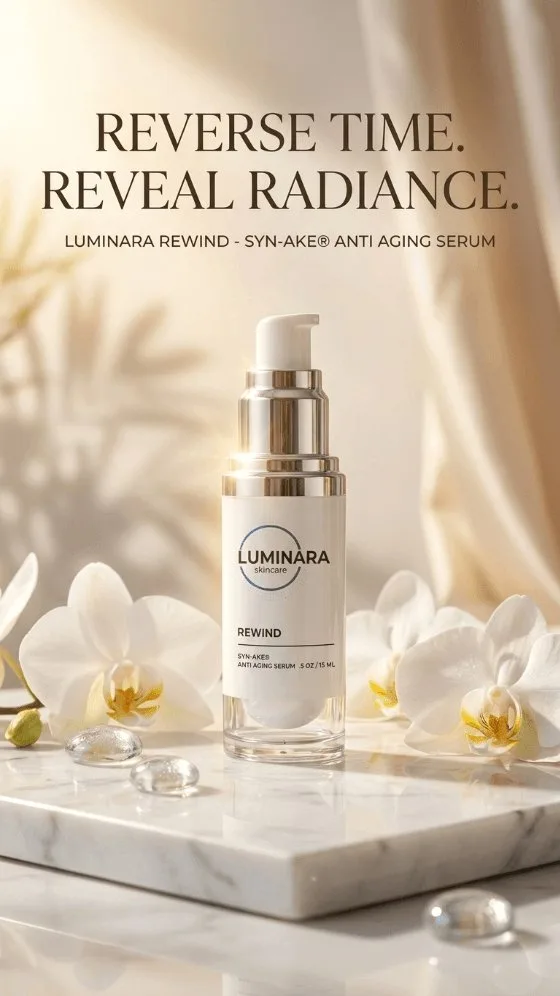
From knowing the signs your anti-aging cream isn’t working to understanding the importance of lifestyle factors, every detail counts. And remember, products like Luminara Rewind might offer additional support if you’re looking for something new.
The key takeaways include knowing your skin type, being ingredient-aware, and prioritizing sun protection. These elements can help you make informed choices toward healthier skin.
As you navigate your skincare journey, keep experimenting and finding what works best for you. Your skin will thank you for it!
Finding the right anti-aging strategy can take time, but it’s definitely worth it in the long run.
Key Takeaways
- Watch for signs like irritation or no visible improvement.
- Understanding your specific skin type can guide better product choices.
- Look for effective ingredients like retinoids in your creams.
- Consider switching your skincare routine based on skin changes.
- Natural alternatives have pros and cons worth considering.
- SPF is crucial in any anti-aging regimen.
- Healthy lifestyle choices can significantly impact skin aging.
References & Sources
- Topical Retinoids for Skin Aging — PubMed
- Personalized Skincare Approaches — PubMed
- Natural Ingredients in Skin Care — PubMed
- Efficacy of Sunscreens — PubMed
- Lifestyle Factors Affecting Skin Aging — PubMed
- Effectiveness of Layering Skincare Products — PubMed
- Prescription vs. OTC Skin Treatments — PubMed