Do Peptide Serums Really Work or Are They Just Marketing Hype?
Understanding Peptides: What Are They and How Do They Work?
Peptides have become a buzzword in the skincare world, but what are they really? These small chains of amino acids are vital for building proteins like collagen and elastin in your skin. They're like the building blocks that keep your skin firm and youthful.
When applied topically, peptides can signal your skin to boost collagen production and repair itself. This means they may help improve skin texture, reduce the appearance of fine lines, and enhance elasticity. Sound familiar? You’ve probably seen them in various skincare products claiming to turn back the clock.
A study published in a prominent journal delves into peptide structures and functions, suggesting that certain peptides can stimulate skin regeneration and increase hydration. So, it’s no wonder they’re a popular ingredient in many serums and creams.
For instance, in California, many skincare enthusiasts are reaching for peptide-infused products as part of their daily routines. If you’re in sunny Florida, using these serums could be a great way to combat sun damage over time.
In short, peptides play a key role in skin health, making them a worthy addition to your skincare arsenal.
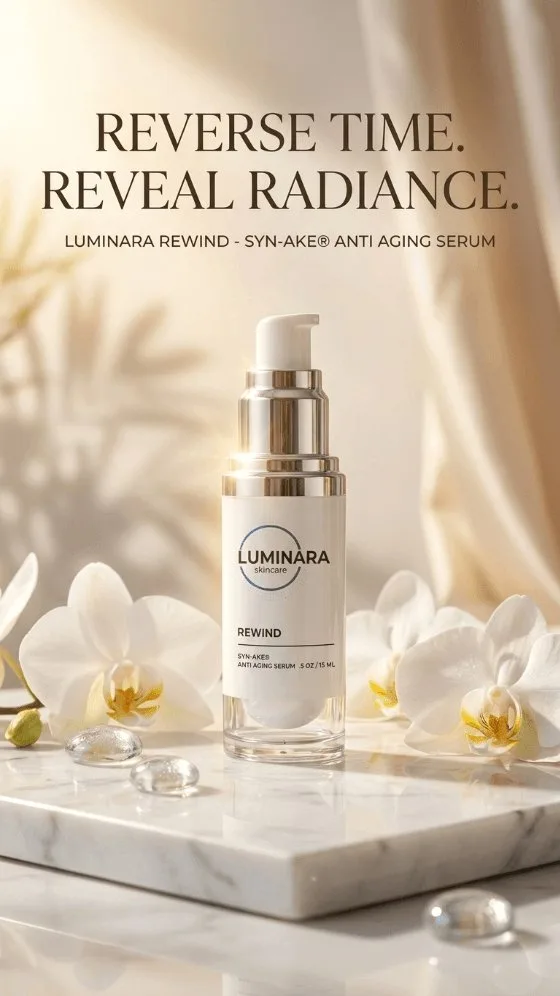
The Science Behind Skincare: Peptide Benefits for Aging Skin
Aging skin can feel like a battle, but peptides may just be the allies you need. Research suggests that these tiny molecules can have a big impact on how your skin ages. They’re not just marketing hype; they may genuinely support collagen production and improve skin elasticity.
As we age, our skin naturally loses collagen, leading to wrinkles and sagging. Peptides can signal your body to produce more collagen, which may help fill in those fine lines. A significant study highlights how specific peptides can improve the skin’s overall appearance, leading to a more youthful look.
For example, the research shows that pentapeptides can enhance skin elasticity and hydration in the long run. This means your skin can bounce back more easily, which is especially great if you're living in places like Texas, where hot weather can take a toll.
So if you’re in New York, don’t hesitate to try a peptide serum as part of your skincare routine. It might help you fight the effects of urban stressors and keep your skin looking fresh.
In summary, peptides may offer solid benefits for aging skin, making them a worthy addition to your skincare lineup.
Do All Peptide Serums Deliver Results? Analyzing Effectiveness
With so many peptide serums on the market, you might be wondering which ones actually deliver results. Not all peptides are created equal, and research indicates that the effectiveness of these serums can vary widely. So, how do you know what works?
Some studies highlight specific peptides like Argireline and Matrixyl, suggesting they may support skin firmness and reduce wrinkles. These ingredients have been associated with noticeable changes in skin texture and appearance, which is music to many skincare aficionados’ ears.
Take a look at your local stores in Illinois or Washington, and you’ll find products boasting impressive claims. But remember, it’s crucial to look for evidence-backed ingredients. A study noted that products with a higher concentration of effective peptides showed better results over time.
While this doesn’t mean every peptide serum will work miracles, it does mean that doing your research can pay off. If you choose a serum with well-studied peptides, you’re more likely to see positive outcomes.
In essence, not all peptide serums produce the same results, but informed choices can help you find ones that align with your skincare goals.
Consumer Perceptions: Are Peptide Serums Worth the Hype?
When it comes to skincare, perceptions play a huge role in how we choose our products. Are consumers genuinely satisfied with peptide serums, or are they just riding the wave of marketing hype? From what I’ve seen, opinions vary widely, and understanding the sentiment is key.
Surveys show that many users feel positive about peptide serums, often reporting smoother skin and increased hydration. However, some consumers are skeptical, questioning whether these products are as effective as advertised. After all, we’ve all seen claims that sound too good to be true.
A recent study assessed consumer satisfaction levels, revealing that while many people report noticeable improvements, others feel disappointed due to high expectations. This discrepancy underscores the importance of managing expectations when trying new products.
If you're in North Carolina and chatting with friends about skincare, you might hear mixed reviews. Some swear by their peptide serums, while others remain cautious, emphasizing the need for realistic outcomes.
Ultimately, the consumer perspective on peptide serums may reflect a blend of hope and skepticism, reminding us that results can vary.
Peptide Serum Ingredients: What to Look For in 2026
Choosing a peptide serum can feel overwhelming, especially with so many options out there. So, what should you look for in 2026? Being informed about the ingredients can really make a difference in your skincare routine.
Research suggests that certain peptides are more effective than others. For example, look for serums containing copper peptides, which may support skin restoration, or hexapeptides, known for their smoothing properties. These ingredients are backed by studies that point to their beneficial effects.
When shopping in states like Florida or New York, it’s crucial to read product labels. Not all peptide-rich serums are equal — some might contain ineffective concentrations or filler ingredients. Aim for products with a clear list of active ingredients and minimal additives.
Also, consider the formulation. Serums that combine peptides with other beneficial ingredients like hyaluronic acid or antioxidants may enhance results. Studies indicate that synergistic effects can boost efficacy.
In summary, knowing what to look for can make your search for a peptide serum much easier and more effective!
Myths and Facts About Peptide Serums in Skincare
Peptide serums certainly come with their fair share of myths. You might have heard claims that they can replace cosmetic procedures or work overnight. But what’s the truth behind these assertions? Let’s break it down.
One common myth is that all peptide serums provide instant results. While some users may notice improvements in hydration or texture relatively quickly, research indicates that most benefits appear over consistent use. This means you won’t wake up with flawless skin just by applying it once.
Another misconception is that more expensive products are always superior. Studies show that effectiveness often comes down to the ingredients, not the price tag. Sometimes, a drugstore brand in Illinois can outperform a high-end product if it has the right peptides.
And if you’re in Texas, you might be surprised to learn that peptides can be suitable for all skin types, contrary to the belief that they’re only for aging skin. Many formulations cater to different concerns, including hydration and sensitivity.
In short, separating fact from fiction can help you make informed decisions about peptide serums in your skincare routine.
Combining Peptide Serums with Other Ingredients: Best Practices
To maximize the benefits of peptide serums, knowing how to combine them with other skincare ingredients is essential. After all, layering your products thoughtfully can lead to even better results.
Research suggests that combining peptides with antioxidants like vitamin C can be particularly effective. This combination not only helps protect your skin from environmental damage but also may support the overall efficacy of the peptides. So, think about adding vitamin C if you're in a sunny state like California!
Another great pairing is hyaluronic acid, which can boost hydration. It works well because peptides can signal skin to produce collagen, while hyaluronic acid helps to retain moisture. A study showed that this duo could lead to improved skin elasticity and a plump appearance.
If you're in Washington, consider this combo: a peptide serum followed by a moisturizer that contains ceramides. This can help lock in the benefits and create a barrier against moisture loss.
Ultimately, combining peptides with the right ingredients can create a powerhouse routine that supports your skin’s health.
Real Life Results: Case Studies on Peptide Serum Use
Sometimes, real-life experiences tell us more than any marketing claim ever could. Let’s dive into case studies showcasing how people have benefited from using peptide serums.
One individual from North Carolina documented their journey with a popular peptide serum, reporting a visible reduction in fine lines and improved skin texture over three months. This aligns with research indicating that consistent use often yields the best results.
On the flip side, there are reports of people who didn’t see much change, noting that skin type and overall routine significantly affect outcomes. A user in Illinois found that while their skin felt more hydrated, they didn’t notice significant improvements in wrinkles.
These testimonies highlight the importance of managing expectations. Just because a product worked wonders for someone doesn’t mean it will have the same effect on you.
In summary, while many people do report positive results from peptide serums, individual experiences can vary widely.
Future of Peptide Technology in Skincare: Trends for 2026
The landscape of skincare is constantly evolving, and peptide technology is no exception. As we look to 2026, several exciting trends are emerging in the realm of peptides.
Researchers are exploring new peptide formulations that may enhance their effectiveness, such as combining them with probiotics. This could lead to a more holistic approach to skincare, addressing not just the surface, but also skin health from within.
Another trend is personalized skincare. Imagine serums tailored to your unique skin needs, potentially utilizing specific peptides based on individual assessments. Studies indicate that personalized approaches can yield better outcomes, which could change the way we think about skincare.
If you’re in Florida, keep an eye out for brands that focus on these innovative approaches. They might be the next big thing in your skincare routine.
In conclusion, the future of peptide technology holds great promise, with potential advancements that could further enhance your skincare experience.
Conclusion: Do Peptide Serums Live Up to the Hype?
So, do peptide serums live up to the hype? The research and consumer experiences suggest that they may indeed offer valuable benefits for skin health, particularly in terms of aging.
From promoting collagen production to improving skin elasticity, peptides have a solid foundation of support in the scientific community. However, results can vary, and managing your expectations is key.
If you're looking to incorporate peptide serums into your routine, consider the ingredients and how they fit with your skin type and goals. Whether you’re in Texas, New York, or anywhere else, doing your research can make all the difference.
Ultimately, while they may not be a miracle solution, peptide serums can be a worthwhile addition to your skincare arsenal.
Key Takeaways
- Peptides play a significant role in maintaining skin health and elasticity.
- Scientific studies support the effectiveness of certain peptides in improving the appearance of aging skin.
- Not all peptide serums are created equal; ingredient quality matters.
- Consumer perceptions can sometimes overlook scientific evidence regarding product effectiveness.
- Combining peptide serums with other beneficial ingredients can enhance skincare results.